The Benefits of New Construction Pressure Washing
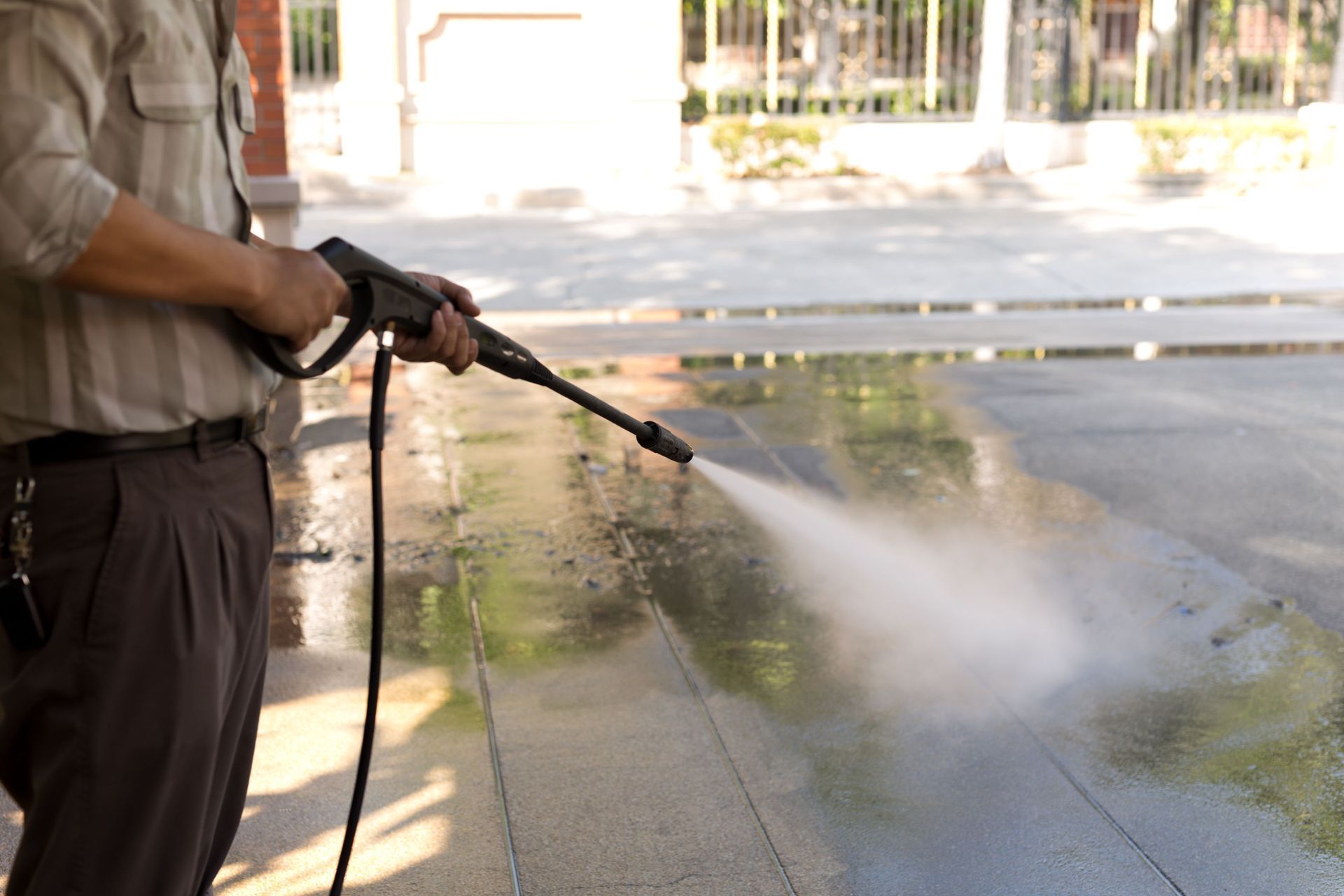
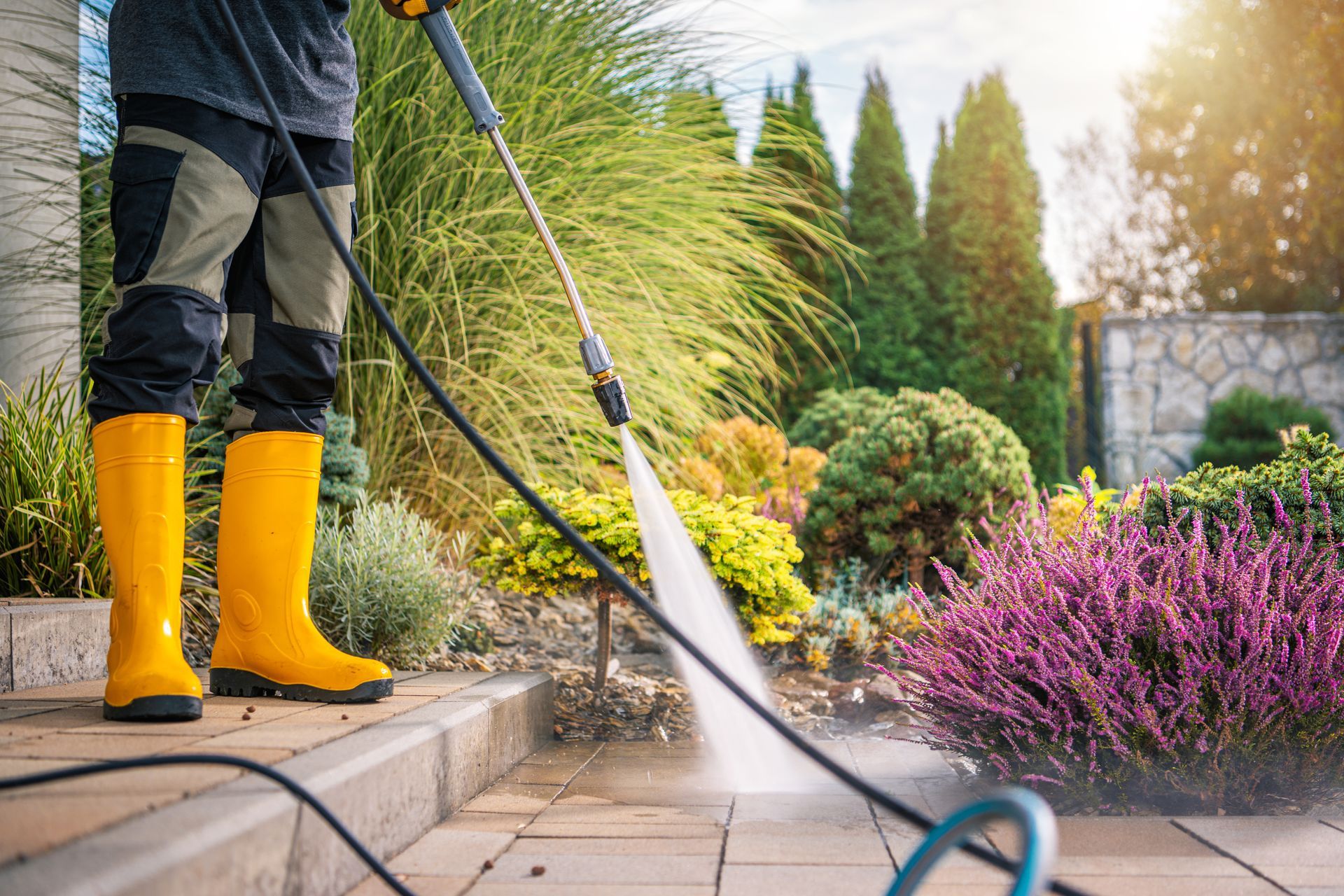
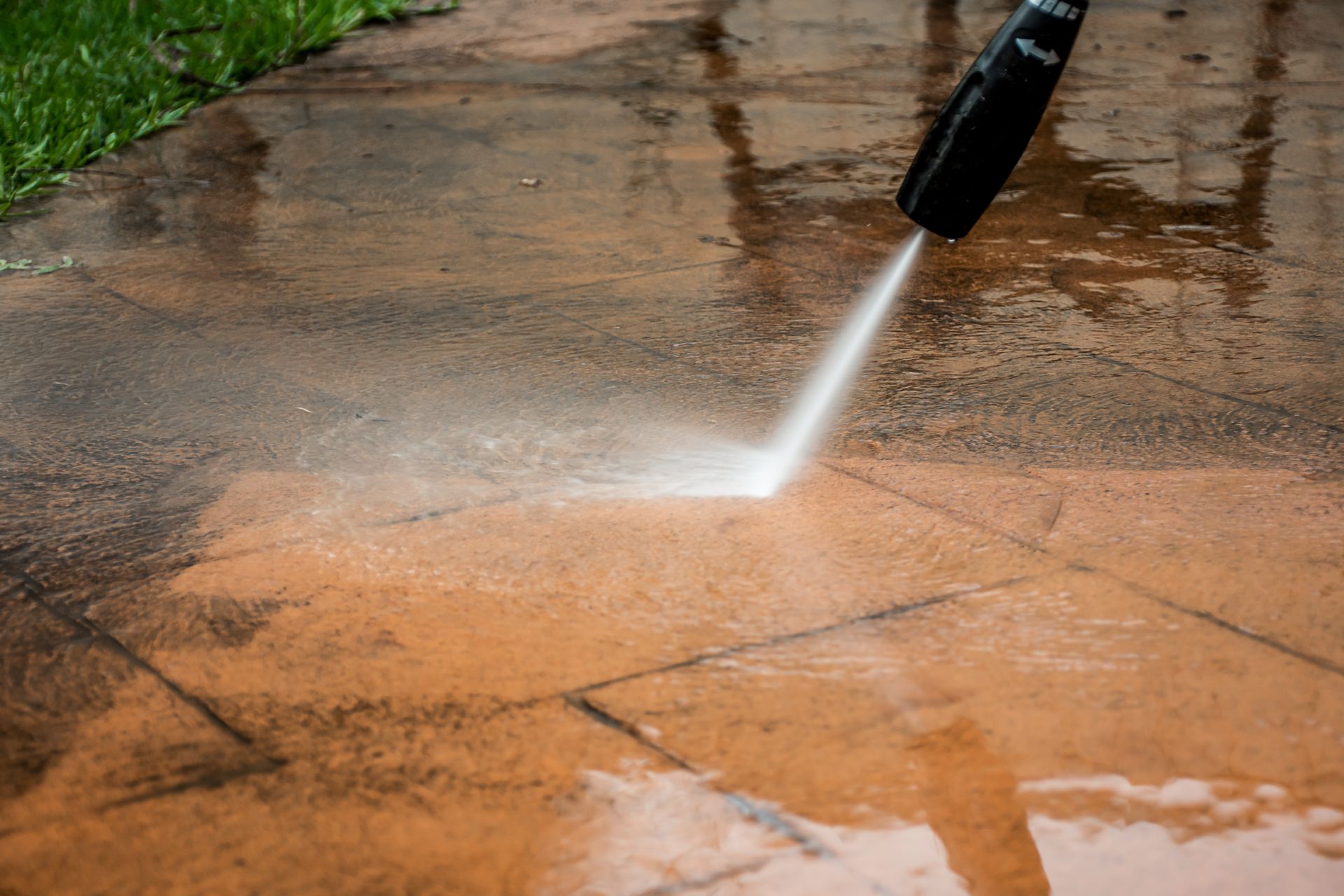
New construction pressure washing is a post-build exterior cleaning that removes jobsite dust, footprints, splatter, and film without damaging brand-new materials. The top benefits are (1) a cleaner, more “finished” curb appeal, (2) earlier visibility of touch-up items like drips or caulk gaps, and (3) safer, less gritty walkways and driveways.
For a deeper look at home-focused cleaning options, visit our residential pressure washing service page.
Bottom Line Upfront: The Real Benefits
- Better first impressions: Removes dust, dirt, and construction film that dulls new paint, brick, and concrete.
- Helps reveal defects early: Cleaning can expose caulk gaps, paint drips, and stain spots that were hidden under dust.
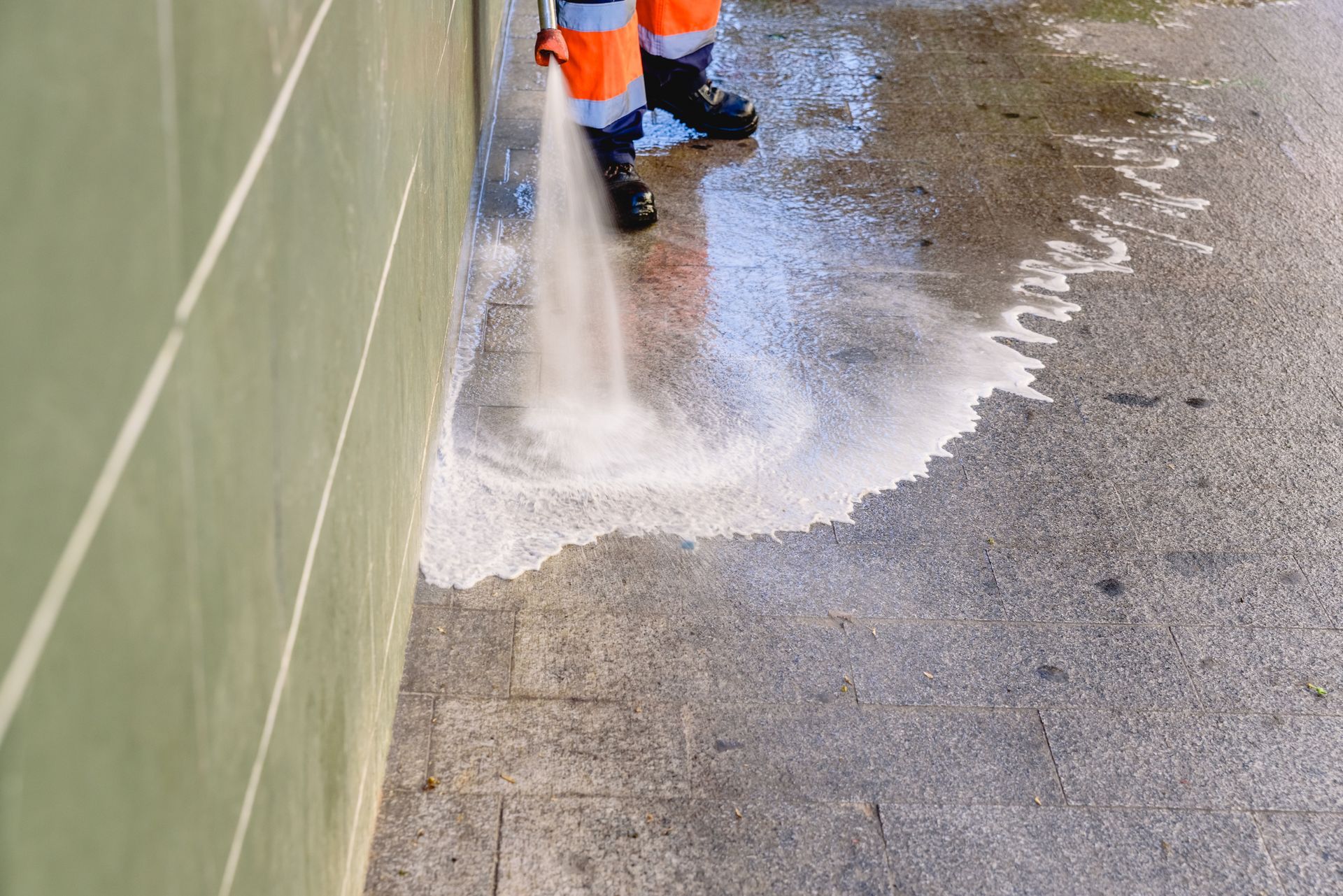
- Safer walkways: Washes away mud, fine grit, and slick residue that can make new concrete and pavers slippery.
- Preps surfaces for finishing touches: Helpful before sealing concrete, touching up paint, or installing exterior fixtures.
- Reduces long-term staining risk: Removes mortar haze, rust marks, and organic buildup before it “bakes in.”
How New Construction Exterior Cleaning Actually Works
New construction pressure washing is the process of cleaning exterior surfaces after building work is complete (or nearly complete). The goal is to remove typical jobsite residue without damaging brand-new materials.
Beginner-friendly way to think about it: different surfaces have different “safe speeds.” A driveway can usually handle more force than painted siding. That’s why a good cleaning plan matches the method to the material.
Quick method guide (typical ranges): The numbers below are broad industry estimates, not one-size-fits-all rules. Always start with the gentlest approach, do a test spot, and follow manufacturer guidance for new finishes.
| Surface | Best-fit method | Typical pressure range (PSI) | Nozzle / distance (typical) | Cautions / “don’t do this” |
|---|---|---|---|---|
| Vinyl siding | Soft wash or very low-pressure rinse after cleaner dwell | ~500–1,200 | Wide fan (25°–40°), generally 2–4 ft away | Don’t use a zero-degree tip. Don’t spray upward under laps—water can get behind siding. Avoid forcing water into vents, soffits, and trim gaps. |
| Fiber cement / painted trim | Soft wash preferred; gentle rinse | ~600–1,500 | Wide fan, generally 2–4 ft away | Don’t “stripe” fresh paint with a tight tip. Don’t linger on edges, caulk lines, or lap joints. If paint is fresh, confirm cure time before washing. |
| Brick / stone veneer | Low-to-moderate pressure rinse; specialty cleaner for mortar haze (as needed) | ~800–2,000 | 25°–40° fan, generally 1–3 ft away | Don’t use high pressure to “chisel off” mortar—this can damage faces and joints. For mortar haze, water alone often isn’t enough; use the correct product for the masonry type and rinse thoroughly. |
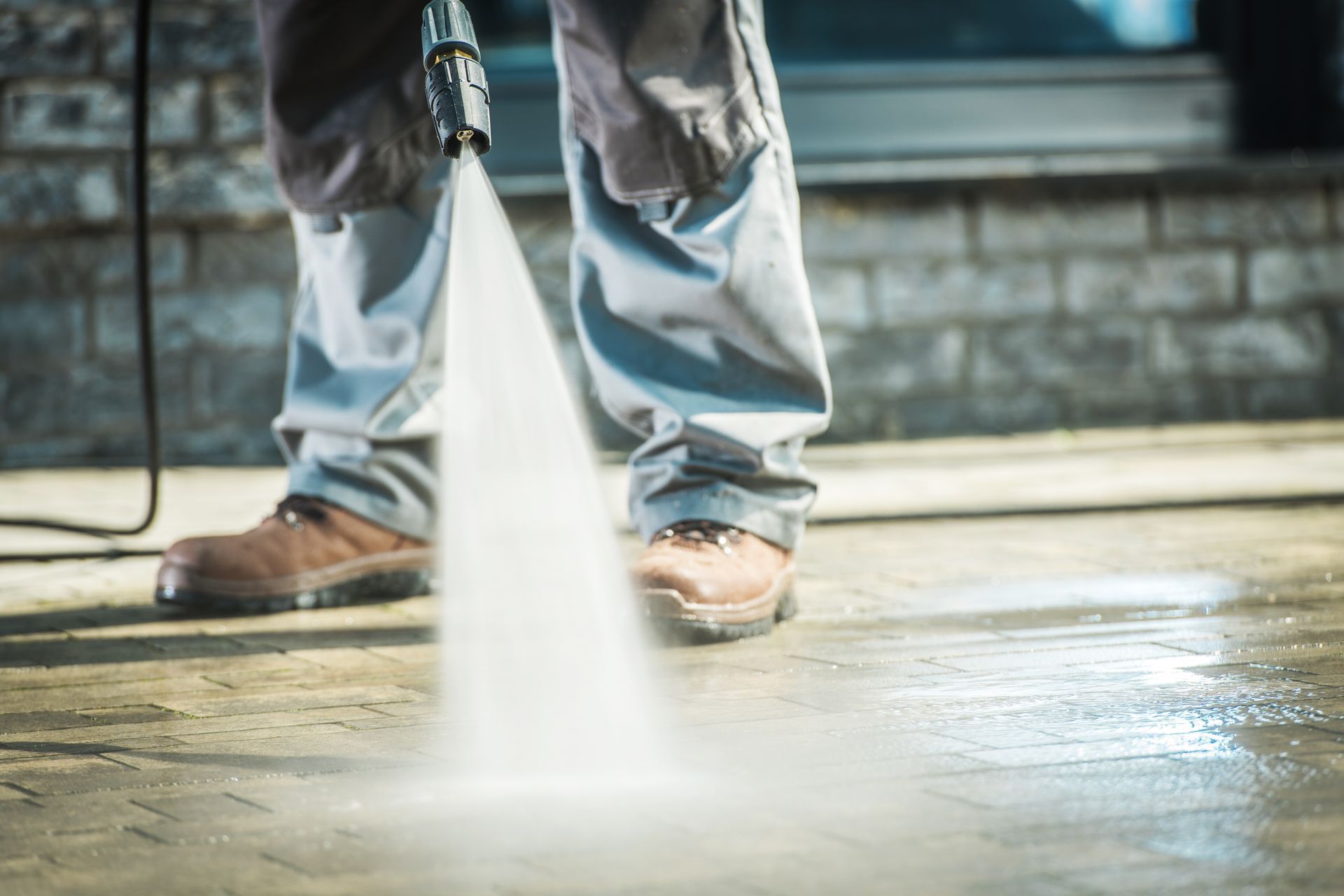
| New concrete (driveways/sidewalks) | Surface cleaning + controlled rinsing; spot treatment for marks | ~2,000–3,500 (often less on decorative finishes) | Surface cleaner for flats; 25° fan for edges, generally 6–12 in away | Don’t use a turbo/rotary tip on brand-new or decorative concrete unless you know it’s safe—etching is common. Don’t hold a tight stream in one spot (creates “zebra” lines). |
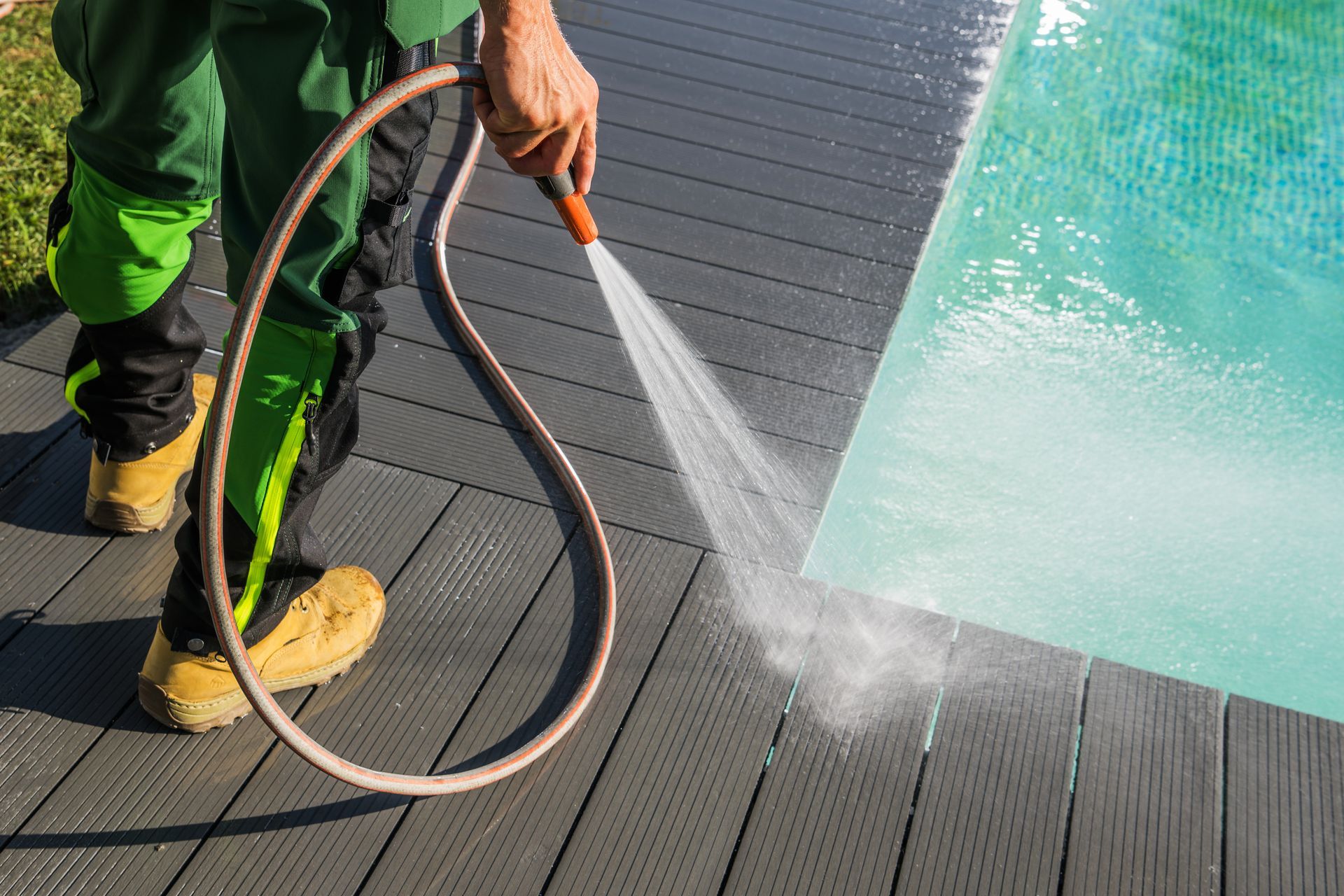
| Wood (new fencing/decks) | Low-pressure wash with wood-safe cleaner; gentle rinse | ~500–1,200 | Wide fan, generally 2–4 ft away | Don’t blast close-range—furring and splintering can happen fast. Avoid aggressive tips; let cleaner and dwell time do the work. |
Common areas that collect construction grime include:
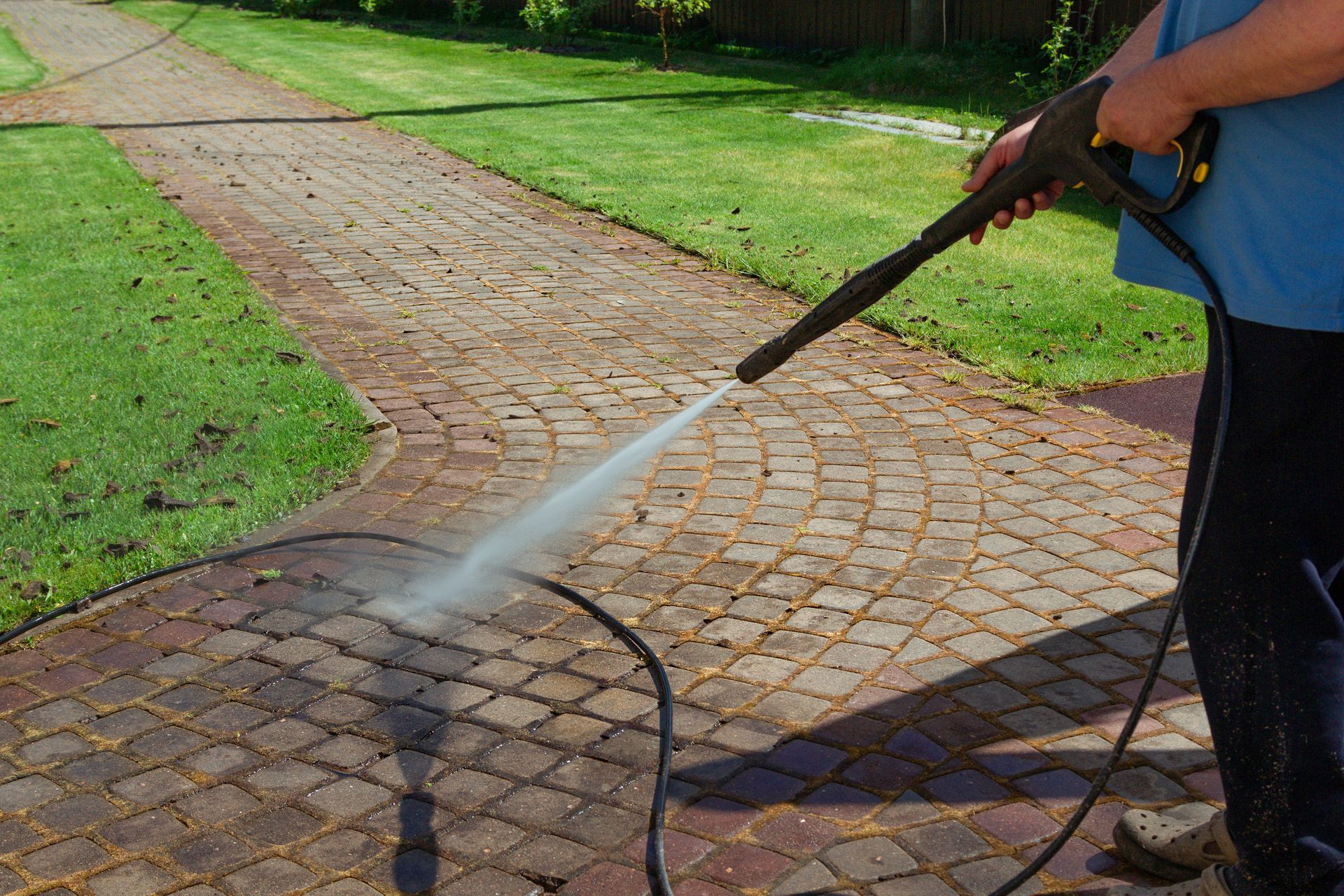
- Concrete driveways and sidewalks: Mud, tire marks, and light staining from materials and tools.
- Siding and trim: Dust film, handprints, and overspray.
- Brick and stone: Mortar smears, haze, and dirt trapped in texture.
- Patios and porches: Foot traffic, sawdust, and adhesive residue.
- Gutters and downspouts: Dust streaking and drips from roof work.
Basic concept: “Pressure washing” is high-pressure water cleaning. “Soft washing” is a lower-pressure approach that relies more on cleaning solutions and dwell time (letting the product sit) to lift grime. Many new-home exteriors need a mix of both, depending on what’s being cleaned.
Why Waiting Can Cost More Than You Think
Construction residue isn’t always harmless. Some of it is designed to stick—think adhesives, caulk smears, and certain sealants. The longer those sit, the more likely they are to discolor surfaces or become harder to remove.
Practical impacts of delaying include:
- Stains set deeper: Rust marks, red clay, and organic buildup can become more stubborn over time.
- Finishes don’t bond as well: Sealers, paint touch-ups, and coatings can fail if applied over dust or film.
- More scrubbing, more risk: The longer you wait, the more aggressive the cleaning may need to be—raising the chance of etching concrete or scuffing finishes.
- Safety and liability: Slick walkways and gritty steps can be a slip hazard for residents and visitors.
If you’re in Athens, GA, scheduling cleaning soon after messy exterior work wraps (and before move-in, listing photos, or a final walkthrough) can help the home show at its best.
Common New-Home Washing Mistakes (Checklist)
- ☐ Using maximum pressure on everything: High pressure can strip fresh paint, scar wood, or force water behind siding.
- ☐ Skipping a test spot: New materials can react differently; testing helps avoid surprise damage.
- ☐ Washing upward under laps and edges: Spraying upward can drive water behind siding, soffits, and trim.
- ☐ Ignoring mortar haze and concrete residue: Some residue needs the right cleaner and technique—water alone may not work.
- ☐ Cleaning before landscaping is protected: Overspray and runoff can stress sensitive plants if you don’t plan for it.
- ☐ Sealing concrete too soon after washing: Many sealers need dry, clean concrete; follow the sealer manufacturer’s instructions.
- ☐ Using the wrong tip up close: Zero-degree and turbo nozzles can gouge wood, etch concrete, and shred softer materials in seconds.
- ☐ Spraying directly into gaps and penetrations: Avoid blasting around vents, weep holes, door thresholds, light fixtures, and fresh caulk lines.
A Simple Action Plan for a Clean “Finished” Look
- ☐ Walk the property and list surfaces: Siding, brick, driveway, patios, fencing, and any stained areas.
- ☐ Identify the goal for each area: “Remove dust film,” “lift tire marks,” “clear mortar smears,” etc.
- ☐ Start with the gentlest method: Use lower pressure and the right cleaner first; increase only if needed.
- ☐ Work top to bottom: This prevents streaks and re-soiling cleaned areas.
- ☐ Control runoff: Pre-wet nearby plants, keep water moving, and rinse thoroughly after cleaning.
- ☐ Do a final inspection in good light: Look for missed drip lines, haze, or splatter before calling it done.
Professional Insight: What Most People Miss on New Builds
It’s common for a brand-new home to look “clean” from the street, then show a dusty film, handprints, and drip marks once you’re closer—or when angled sunlight hits the siding. A targeted wash (often soft washing on siding and controlled pressure on concrete) can even out the finish without treating every surface like it can handle driveway-level force.
For Builders & GCs: Where New Construction Washing Helps Most
- Pre-handover cleanup: Removes jobsite film so buyers see the materials—not the dust on top of them.
- Punch-list support: A clean exterior makes it easier to spot touch-up needs like overspray, drips, or scuffs before final sign-off.
- Photo-ready turnover: Helps exterior photos look consistent across siding, trim, masonry, and flatwork.
- Safer site conditions: Clearing grit and mud from entries and walkways can reduce slip risk during walkthroughs.
When DIY Isn’t the Right Call
Some situations are better handled with professional equipment and surface-specific technique. Consider getting help if you notice:
- Mortar haze on brick or stone that doesn’t rinse off with normal washing
- Fresh paint or new stain you’re worried about scarring or lifting
- High or hard-to-reach areas (second-story siding, peaks, dormers)
- Oil, rust, or heavy tire marks on new concrete
- Water intrusion concerns (gaps around trim, vents, or newly installed fixtures)
Common Questions Answered
Will washing damage brand-new siding or paint?
It can if the method is too aggressive. The safer approach is to match pressure and cleaners to the material, start with a test spot, and avoid spraying upward into laps, seams, and penetrations.
How soon after a build should the exterior be cleaned?
Many people schedule cleaning once messy exterior work is complete and before final photos, showings, or move-in. The best timing depends on what surfaces were installed, whether coatings have fully cured, and what residue is present.
What’s the difference between high-pressure cleaning and soft washing?
High-pressure cleaning relies more on water force. Soft washing uses lower pressure with cleaning solutions and dwell time to lift grime—often a better fit for siding and delicate finishes.
Can this help with concrete haze and footprints on driveways?
It often helps with dirt, mud, and light marks. For haze or stubborn residue, the right product and technique matter, and results depend on the concrete finish and the type of residue.
Do I need to do anything before an exterior wash?
Close windows, move vehicles and outdoor items, and point out any areas you’re concerned about (fresh caulk lines, loose fixtures, or spots that already look stained). If landscaping is in place, pre-wet plants and cover delicate items as needed.
Where to Go from Here
New construction can leave behind more grime than most people expect, even when the home is “done.” A smart wash plan improves curb appeal, helps surfaces look consistent, and can make final touch-ups easier. The key is using the right approach for each material rather than treating the whole exterior like a driveway.
Learn More About Our Services
Get Butler's Pressure Washing first on Google. Add us as a preferred source and Google will show more of our content in your Top Stories and AI results. Add Butler's Pressure Washing as a preferred source on Google →